


Scatter symbols occupy a distinct role in slot design because they do not demand alignment on active paylines to generate a payout. Instead, Gates of Olympus نموذج التسجيل, a set number of scatters anywhere on the reels can activate a distinct feature or an immediate prize. This mechanic alters the way players evaluate every spin, moving attention from single-line outcomes to the overall reel window and its capacity to generate bonus rounds.
Explaining the Scatter Symbol
Scatter symbols are graphic elements that vary visually from standard reel symbols, often bearing thematic artwork such as an historic artifact or a deity. Their main trait is positional independence: three or more scatters on the same spin initiate a payout or a feature no matter whether they appear on consecutive reels. This independence separates them from regular symbols that must adhere to fixed paylines or ways-to-win patterns.
Developers use scatters to bring in pacing changes within a session. Because they can appear on any reel, they boost the likelihood of an event happening on spins that would otherwise produce no line win. The result is a secondary layer of anticipation that runs alongside to the primary payline evaluation, modifying the rhythm of play without changing the underlying reel mathematics.
Game rules state the exact scatter count required for each outcome. A standard configuration awards a small credit return for three scatters, a larger return for four, and the complete bonus round for five. These graduated awards are shown in the paytable, enabling players to verify the thresholds before committing funds.
Scatter symbols also occur in varying reel heights. In five-reel titles the scatter may occupy only the middle three reels, while six-reel grids permit placement on every column. The placement rules are fixed by the game engine and cannot be altered by player settings, yet they immediately affect the probability of achieving the required count on any given spin.
Some titles link a credit value directly to the scatter, giving the listed amount times the current total bet. Others consider the scatter solely as a trigger and give no line payout. Players should check the paytable to ascertain which model applies before adjusting stake levels. tap here
Scatter-Activated Features and Multiplier-Driven Systems
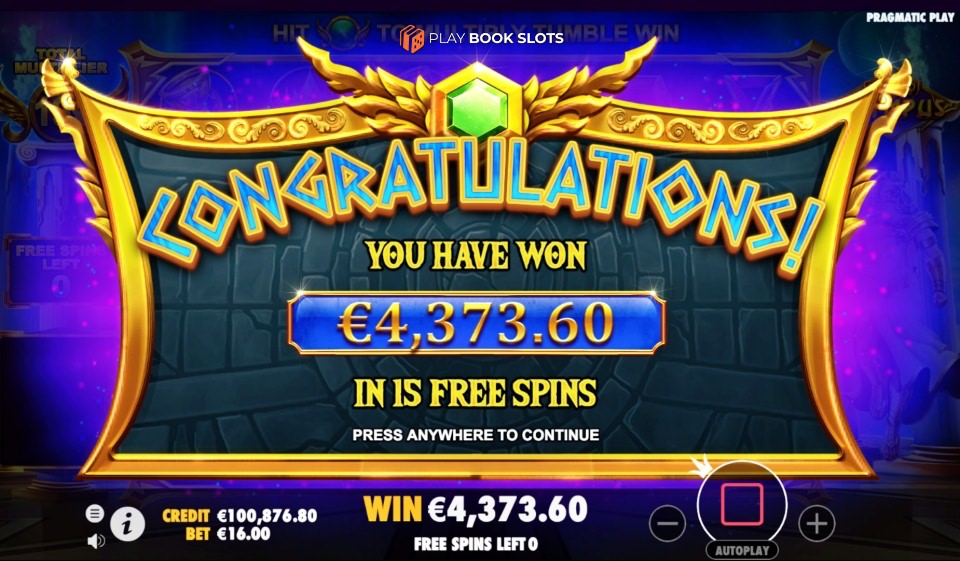
Once scatters trigger the free-spin round in Gates of Olympus, a separate multiplier system starts working. Each tumble that happens during the feature can produce a random multiplier ranging from two times to five hundred times the current bet. These multipliers stack across consecutive tumbles, producing a running total that is applied to any line wins achieved within the same sequence.
The scatter symbol itself does not carry a multiplier value; instead, it acts only as the entry point. The multiplier values are attributed to special symbols that appear during the free spins, and their placement on the grid dictates whether they apply to the current tumble sequence or remain inactive until the next cascade begins.
Because multipliers can accumulate without an upper limit other than the game’s maximum win cap, the free-spin round has a higher variance profile than the base game. Players should therefore prepare for longer stretches without significant returns punctuated by occasional sequences where accumulated multipliers produce larger outcomes.
Multipliers appear as floating orbs that come to rest on any reel position. When two or more orbs appear during the same tumble, their values add together before being applied to the win total. The game interface displays the running multiplier in a dedicated panel so that players can monitor the current total without stopping the sequence.
Scatter symbols that arrive during the feature lengthen the round by an additional three spins. This extension mechanic works independently of the multiplier system, enabling the feature to carry on even when no new multipliers show up. The combination of extra spins and accumulating multipliers produces the potential for extended sequences that go beyond the initial allocation. relevant link
Actionable Steps to Find and Confirm Scatter Information
Launch by launching the game and clicking the menu panel, usually marked by three horizontal lines or a question mark icon. Select the paytable or help section to view the symbol explanations. The scatter symbol will be displayed with its relevant credit values and the number of free spins awarded for each qualifying count.
Next, check the game rules page that comes after the paytable. This section describes the reel configuration, the ways-to-win format, and any restrictions on scatter placement. Verify that the description matches the six-reel, five-thousand-ways layout used in Gates of Olympus before moving to real-money play.
As a final step, examine the information footer for the RTP and volatility indicators. If the shown RTP differs from the ninety-six point five percent figure, the game may be running under a jurisdiction-specific setting. Modify expectations accordingly and try playing the title in demo mode to note scatter frequency before risking larger stakes.
Demo mode copies the exact reel strips and scatter frequency of the real-money version. Spinning fifty to one hundred spins in demo enables players to note the interval between scatter appearances without financial exposure. The recorded data can then be contrasted against the paytable thresholds to verify that the observed hit rate aligns with published expectations.
Some platforms present the scatter rules in a separate pop-up window rather than within the main paytable. If the initial menu selection does not include scatter values, players should access every available information tab until the complete symbol legend shows up. Omitting this step can result in incorrect assumptions about the required scatter count during live play.
Stake Range, RTP, and Volatility Aspects
Gates of Olympus offers a minimum wager of twenty cents per spin and a maximum wager of one hundred dollars, putting it within the mid-range of contemporary six-reel slots. This spread accommodates both light play and extended play without needing changes to the base reel math.
The stated RTP sits at ninety-six point five percent. This percentage reflects the expected percentage of total wagers paid back across an extended sample of play and remains constant regardless of the selected stake. Players can verify the specific RTP figure displayed in the game settings, as some jurisdictions require an alternate number to be shown.
Volatility is classified as high. The mix of scatter-activated free spins and changing multipliers produces a pattern where a large part of the total return is concentrated in the bonus round. Sessions may therefore be made up of many base spins that produce only minor line wins, followed by uncommon but substantial feature outcomes.
Stake levels can be changed in intervals of twenty cents up to the one-hundred-dollar ceiling. The game engine updates all credit values instantly when the stake changes, ensuring that scatter payouts and multiplier totals stay proportional. Players who adjust their stake mid-session should examine the revised paytable figures to avoid misjudging potential returns.
Because the RTP is constant, changes in bet size affect only the absolute credit amounts, not the long-term payout percentage. This separation lets players to adjust their stake without modifying the underlying probability structure. Session length and variance tolerance remain the primary factors when selecting a stake within the available range.
Scatter Mechanism in Gates of Olympus
Gates of Olympus features a scatter symbol showing the face of Zeus. Obtaining four or more scatters on any reel on the six-reel grid triggers the free-spin round. The scatters themselves do not have to form lines; their mere presence on the reels is sufficient to start the feature. This design choice matches with the game’s stress on random multiplier events that can show up during both base play and free spins.
The scatter count also determines the number of free spins awarded. Four scatters give ten spins, while five scatters give fifteen. Because the reels keep six columns wide throughout the feature, the likelihood of landing additional scatters during free spins holds constant, permitting the round to extend if further scatters show up.
Players can confirm the exact scatter rules by opening the paytable within the game interface. The information panel lists both the credit values assigned to three scatters and the free-spin assignment for four and five scatters, providing a clear reference before any funds are wagered.
During the base game, three scatters pay a fixed credit amount equivalent to one times the total bet. This modest return acts as a consolation prize when the feature does not trigger. The paytable shows the exact credit figure so that players can calculate the expected return before each spin.

Scatter symbols in Gates of Olympus show up on all six reels in both base and feature modes. Their occurrence on the reel strips keeps unchanged, which means the hit rate for four or five scatters stays consistent across the entire session. This sameness makes easier session planning because no separate probability tables are necessary for the bonus round.
The ways Scatters Are Different from Wilds and Bonus Symbols
Wild symbols replace other symbols to form paylines, yet they seldom trigger features on their own. Scatter symbols, by contrast, function outside payline logic and activate features directly. This distinction prevents overlap in function and holds the two symbol types from contending for the same reel positions.
Bonus symbols hold a middle ground. They may show up only during base play or within a feature, and they typically need alignment on specific reels to open additional rounds. Scatter symbols can occupy any reel position and therefore serve as a more flexible trigger mechanism across a wider range of game states.
Understanding these distinctions is relevant when assessing a new title. A slot that advertises both wilds and scatters provides two separate avenues for feature access, while a title that utilizes only bonus symbols may limit feature entry to a narrower set of reel outcomes.
Wild symbols can also carry multipliers or expand to cover entire reels, yet these enhancements remain tied to payline completion. Scatter symbols never extend or substitute; their sole purpose is to contribute to a feature threshold. This functional clarity reduces ambiguity when players review the symbol legend.
Some games blend the two categories by converting a scatter into a wild during the feature round. The dual role is stated in the rules panel, and the symbol modifies appearance to show the shift. Players who overlook the change may misunderstand why certain combinations suddenly pay during free spins.
Assessing Scatter Performance Across Multiple Sessions
Monitor the gap between scatter-triggered features over a fixed number of spins, such as five hundred. Record both the number of spins required to reach four scatters and the outcomes produced during the following free-spin rounds. This data set delivers an empirical view of how often the scatter mechanic activates and how the multiplier system behaves in practice.
Contrast the recorded frequency against the expected hit rate implied by the reel strips. Though exact strip data is not published, a continued deviation in either direction may indicate session variance rather than a change in the fundamental probabilities. Maintain records across separate sessions to separate short-term fluctuation from longer-term patterns.
Apply these observations to inform bet sizing. A player who experiences prolonged gaps between features may choose to reduce the stake temporarily, while a player who records frequent scatter triggers may keep or slightly increase the stake within the established limits. The goal is to adjust bet levels with the observed rhythm of scatter appearances rather than with expectations of direct returns.
Session logs should include the exact scatter count that triggered each feature, the number of free spins awarded, and the highest multiplier attained during the round. Over twenty or more documented features, these details reveal whether the multiplier distribution matches the random range advertised in the rules. Regular shortfalls may merit a temporary reduction in stake until the pattern returns to normal.
Players who manage separate logs for different bet levels can ascertain whether stake size impacts the perceived frequency of scatter appearances. Though the base probabilities remain constant, psychological factors such as session length and win visibility can alter the personal experience of scatter performance. Matching logs across stake tiers helps isolate these effects from actual mechanical variation.